
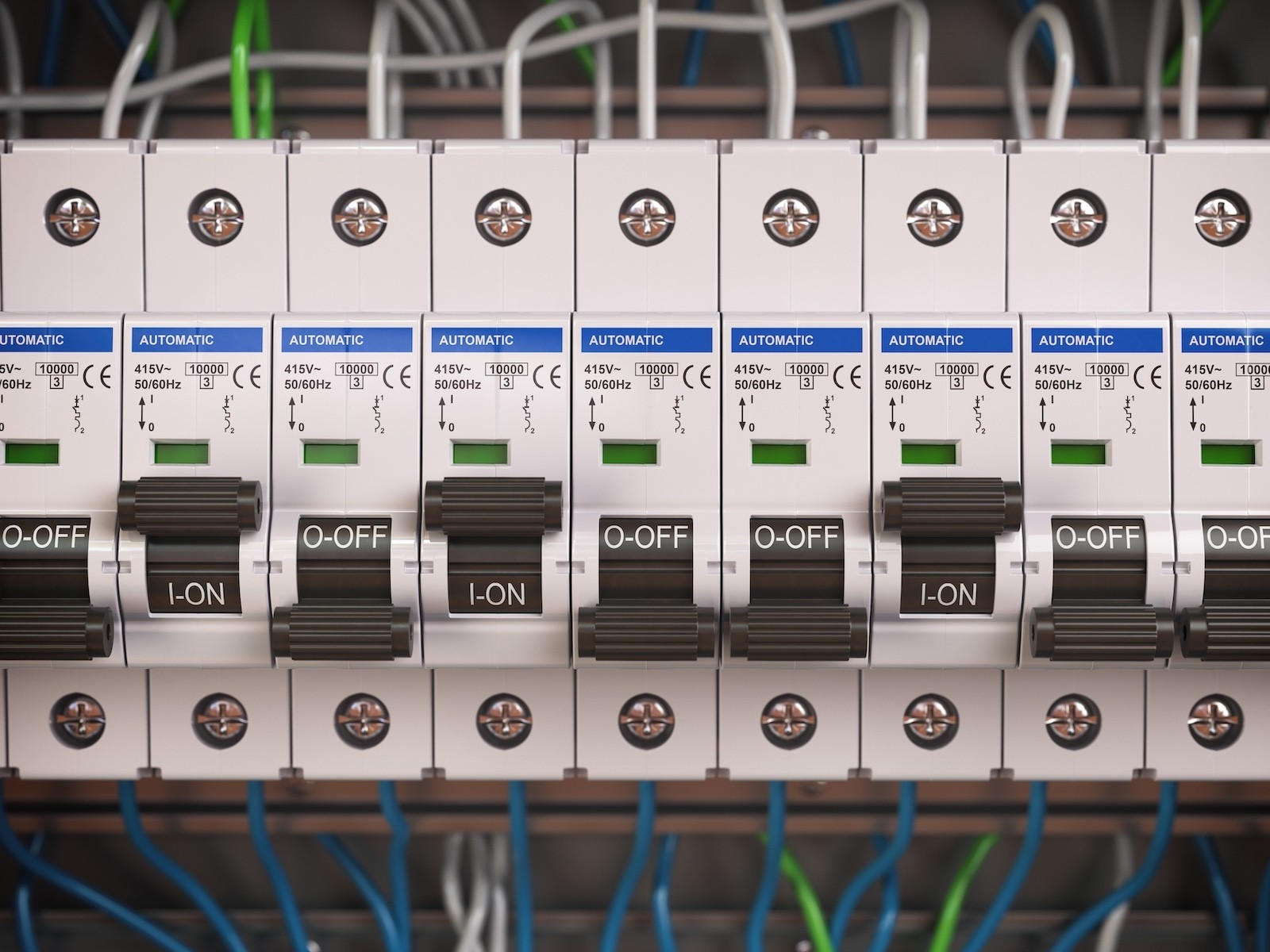
Electrical safety is a top priority in any property, whether it’s your home or workplace. While terms like safety switches and circuit breakers are commonly used, many people remain unclear about their differences and why both are crucial. In this article, we’ll break down the functions of these essential electrical devices, why they’re needed in your system, and how they protect you and your property.
What Is a Safety Switch?
A safety switch, also known as an RCD (Residual Current Device), is designed to prevent electric shocks by detecting any imbalances in the electrical flow. If there’s a fault, such as current leakage from faulty wiring or appliances, the safety switch will disconnect the power in an instant, preventing injury or even death.
Key Features of Safety Switches
- Detects electrical imbalances and prevents shocks
- Disconnects the power supply rapidly to avoid accidents
- Typically installed in the switchboard or meter box
- Can be fitted to specific circuits or cover the whole electrical system
- Required by law for power outlets and lighting circuits in new homes
What Is a Circuit Breaker?
A circuit breaker serves a different purpose: it protects the electrical circuit itself. When a short circuit or overload occurs, the circuit breaker will trip and cut off the power to prevent damage to the wiring or the risk of electrical fires.
Key Features of Circuit Breakers
- Shields circuits from overloads and short circuits
- Can be manually reset once the issue is resolved
- Found in the switchboard, often alongside safety switches
- Works with fuses to provide added protection for wiring and appliances
How to Identify Safety Switches and Circuit Breakers in Your Hom
To find out if you have these devices in your home, check your switchboard. Electricians often label the fuses and switches to show what each one controls. If you spot a switch with a ‘Test’ or ‘T’ button, that’s a safety switch. If you’re unsure, it’s always a good idea to get in touch with a local electrician for a proper inspection and clear labelling.
All-in-One Devices: Combining Both Safety Switch and Circuit Breaker
Some modern electrical systems use a combined device that functions as both a safety switch and a circuit breaker. These compact, all-in-one units save space and are often favoured by electricians for their convenience and efficiency. Speak with your local electrician to find out if this option is suitable for your home.
Why You Need Both a Safety Switch and a Circuit Breaker
You might be wondering why both devices are necessary. Here’s the reason: safety switches protect you from electric shocks, while circuit breakers protect your wiring and appliances from overloads and short circuits. Having both devices working together ensures your home is fully protected from electrical risks.
Testing and Maintaining Your Electrical Devices
Regular testing and maintenance are key to ensuring that both safety switches and circuit breakers continue to function correctly. Here’s how to keep them in top condition:
Safety Switches
- Test frequency: Every three months to ensure optimal performance.
- How to test: Press the ‘Test’ button on the safety switch. It should immediately trip, cutting the power to the affected circuit.
- Signs of issues: If the safety switch doesn’t trip during testing, it’s a sign that it’s malfunctioning and should be inspected by a licensed electrician.
- Professional check: Schedule an annual service to ensure everything is working as it should.
Circuit Breakers
- Test frequency: Every six months, as they don’t require as frequent testing as safety switches.
- How to test: Many circuit breakers come with a ‘Test’ button. Pressing it should trip the breaker.
- Signs of issues: If your breaker trips frequently or doesn’t trip at all, it could indicate a problem with the circuit. Overloading or short circuits are common causes.
- Professional inspection: Regular check-ups by an electrician can help detect hidden issues or wear and tear that might not be obvious.
Why You Should Never Attempt DIY Electrical Work
Electrical installations, including safety switches and circuit breakers, should never be handled by unqualified individuals. Installing or servicing these devices requires specialised knowledge, and trying to do it yourself can be dangerous. It also risks voiding your insurance. Always consult a licensed electrician to ensure the work is done correctly and safely.
Trust Assured Electrical for Your Electrical Safety Need
For a safe and efficient electrical system, look no further than Assured Electrical. Our team of qualified electricians specialises in installing safety switches, circuit breakers, and other essential electrical components. We’re here to assess your current system, recommend improvements, and ensure everything is up to standard.
Don’t wait until an issue arises—contact Assured Electrical today for a consultation. We’ll make sure your electrical system is both safe and reliable, so you can enjoy peace of mind in your home or business.