
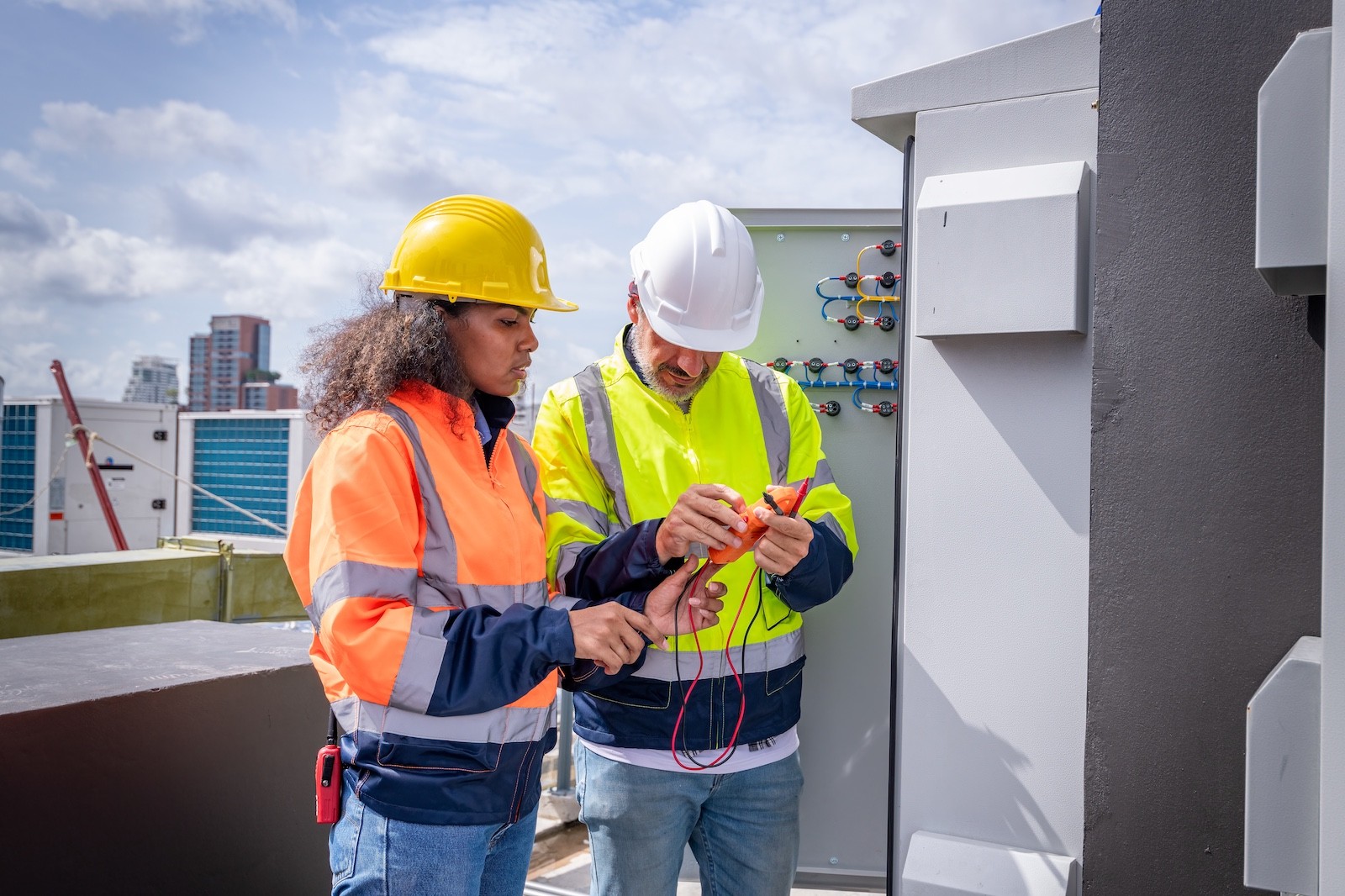
Electrical hazards can be a serious concern in any home. With the right precautions and ongoing care, you can drastically reduce the chances of an electrical emergency such as fires or shocks. In this guide, we’ll walk you through vital tips for maintaining a safe electrical environment in your Perth home, including the importance of RCDs (Residual Current Devices), common electrical faults to watch out for, and best practices for ensuring long-term safety.
How to Create a Safe Electrical Setup in Your Home
Electrical safety starts with smart, simple habits. Below are practical steps you can take to ensure your home’s electrical system is secure:
- Use outlet covers to prevent accidental shocks, especially in households with young children.
- Always unplug unused electrical devices to cut down on energy consumption and reduce fire risks.
- Avoid placing electrical items near water—this can lead to dangerous shocks or electrocution.
- Install RCDs (Residual Current Devices) throughout the house to enhance protection from electrical shock.
- Keep cords and wires tidy to reduce the risk of tripping and to prevent them from becoming damaged.
- Inspect your appliances and wiring regularly for any signs of wear or malfunction, such as exposed wires or frayed cords.
- Don’t overload power points—too many devices plugged into a single point can be a fire hazard.
- Check that your home’s wiring is up to standard and replace any outdated or damaged wiring with the help of a licensed electrician.
- Avoid chaining extension cords together; this can cause strain on your circuits.
- Ensure that your electrical circuits match the power needs of your appliances, and avoid using multiple high-power devices on the same circuit.
- Follow the manufacturer’s instructions for all electrical appliances to ensure correct usage.
- Use powerboards with overload protection as a temporary solution only, not as a permanent fix.
- Maintain your dryer by cleaning the lint filter regularly to prevent fire risks.
- Keep exhaust fans free from lint and dust to ensure they work efficiently and safely.
Understanding the Risks of Electrical Faults
Electrical faults can be caused by a number of issues, including aging wiring, poor installation, and overloading circuits. These faults can lead to devastating outcomes like electric shocks, fires, or even fatal accidents.
A live wire—a wire that is still conducting electricity—poses a significant threat if exposed. If anyone comes into contact with it, they could suffer severe injuries. Additionally, poorly insulated or damaged wires may overheat, creating a potential fire hazard.
Here are some signs that indicate an electrical fault might be present:
- Electric shocks when touching appliances
- Buzzing sounds from switches or outlets
- Lights flickering or dimming unexpectedly
If ignored, these issues can lead to dangerous consequences, such as:
- Blackouts or power outages
- Overloaded circuits that cause appliances to malfunction
- Electrical surges that can damage sensitive devices
- Burnt electrical equipment and wiring
How to Minimise Fire Risks in Your Home
Taking simple steps to improve fire safety can make all the difference in protecting your home and family. Smoke alarms are the first line of defense in a fire situation:
- Install smoke alarms in key locations such as every bedroom and on each floor of your house.
- Test your alarms monthly to ensure they are functioning correctly.
- Get professional inspections annually to ensure everything is working as it should.
Fire extinguishers should be readily available, and it’s essential to know how to use them in case of emergency. Additionally, consider installing a carbon monoxide detector as another layer of safety, especially in areas where heating appliances are used.
The Role of Safety Switches (RCDs) in Preventing Accidents
What Are RCDs (Safety Switches)?
An RCD, or Residual Current Device, is an electrical safety mechanism that cuts off power to a circuit when it detects an imbalance in the electrical current. This quick response prevents potential shocks or fires.
How Do RCDs Protect You?
Safety switches are crucial for preventing serious electrical accidents. They constantly monitor the flow of electricity and disconnect the power supply when they detect irregularities, such as when live wires are exposed.
As per Australian regulations, every home should be equipped with at least two RCDs, one for the power circuits and one for the lighting circuits. Each RCD should cover no more than three circuits.
Different Types of RCDs:
- Type S: Time-delayed RCDs.
- Type AC: General-purpose RCDs, commonly used for household appliances like showers and ovens.
- Type A: Designed for equipment with sensitive components, like electric vehicles and inverters.
- Type F: Used for appliances that have frequency control, such as air conditioners and washing machines.
- Type B: Used for more complex systems, like lifts and photovoltaic energy systems.
The Importance of Regularly Testing RCDs
RCDs are your first line of defense, but they need to be tested regularly to ensure they are working correctly. Testing your safety switches every three months is recommended. Here’s how to do it:
- Press the ‘Test’ button on your RCD to simulate a fault.
- The switch should immediately trip, cutting power to the circuit.
- If the RCD doesn’t trip, contact a licensed electrician immediately for repairs.
Make a record of each test you perform, noting the date and any anomalies. Additionally, schedule an annual service with a professional to ensure your safety switches are working at their best.
Why Electrical Compliance Matters
In Perth, your home’s electrical system—including wiring, outlets, switches, and circuit breakers—must meet current safety standards. You may require an electrical safety certificate for certain electrical work, such as:
- Installing new circuits
- Upgrading electrical equipment
- Modifying wiring
This certificate ensures that all electrical installations are completed in line with local safety regulations. For more information on local electrical codes, refer to the WA Electrical Safety Regulations or consult with a licensed electrician
Hiring a Licensed Electrician
While basic electrical tasks like changing a lightbulb or testing your RCD can be done safely by homeowners, more complex electrical work should always be performed by a licensed electrician. These professionals are fully trained in safety procedures, comply with building codes, and use specialized tools to ensure safe installations.
Trying to perform electrical work yourself can lead to:
- Shocks or injuries
- Electrical fires
- Compliance issues leading to fines
For a detailed guide, check out the Government of Western Australia’s Electrical Safety Information.
Maintaining Your Electrical Systems: The Key to Ongoing Safety
Regular maintenance and early detection are critical for preventing electrical issues. Look out for:
- Loose outlets or damaged cords
- Burnt marks on switches
- Flickering lights
- Unusual smells from outlets or appliances
- Overheated outlets or electrical panels
If any of these issues arise, reach out to a licensed electrician immediately. If you encounter an electrical fire, call the fire department right away.
Annual electrical inspections are also highly recommended. Even if everything seems normal, a professional will check for hidden issues that could cause problems down the line.
Protect Your Home with Expert Electrical Services in Perth
With the right preventive measures, regular inspections, and adherence to safety guidelines, you can significantly reduce the risk of electrical accidents in your Perth home. For peace of mind and expert support, contact Assured Electrical for all your electrical safety needs.