
Why Working Smoke Alarms Are Essential for Home Safety
Smoke inhalation is the leading cause of death in house fires, not flames. If a fire breaks out while you’re asleep, you won’t necessarily wake up to the smell of smoke, which is why having a functioning smoke alarm is crucial for early warning and escape.
According to research from Fire and Rescue NSW (FRNSW), smoke alarms play a vital role in preventing fatalities and protecting families in the event of a fire. In this guide, we’ll cover the importance of smoke alarms, the current regulations in Western Australia (WA), and tips for ensuring your alarms are installed and maintained correctly.
What This Guide Covers
- Current smoke alarm laws in Western Australia
- Where to install smoke alarms for maximum effectiveness
- Locations to avoid when installing smoke alarms
- Legal responsibilities for WA landlords
- Types of smoke alarms and how they function
- Maintenance tips for long-lasting alarms
- How and when to test your smoke alarms
Current Smoke Alarm Laws in Western Australia
In WA, all homes must comply with specific smoke alarm regulations to ensure the safety of occupants. Key regulations include:
- New homes (built after 1997): Must have 240V hard-wired smoke alarms installed.
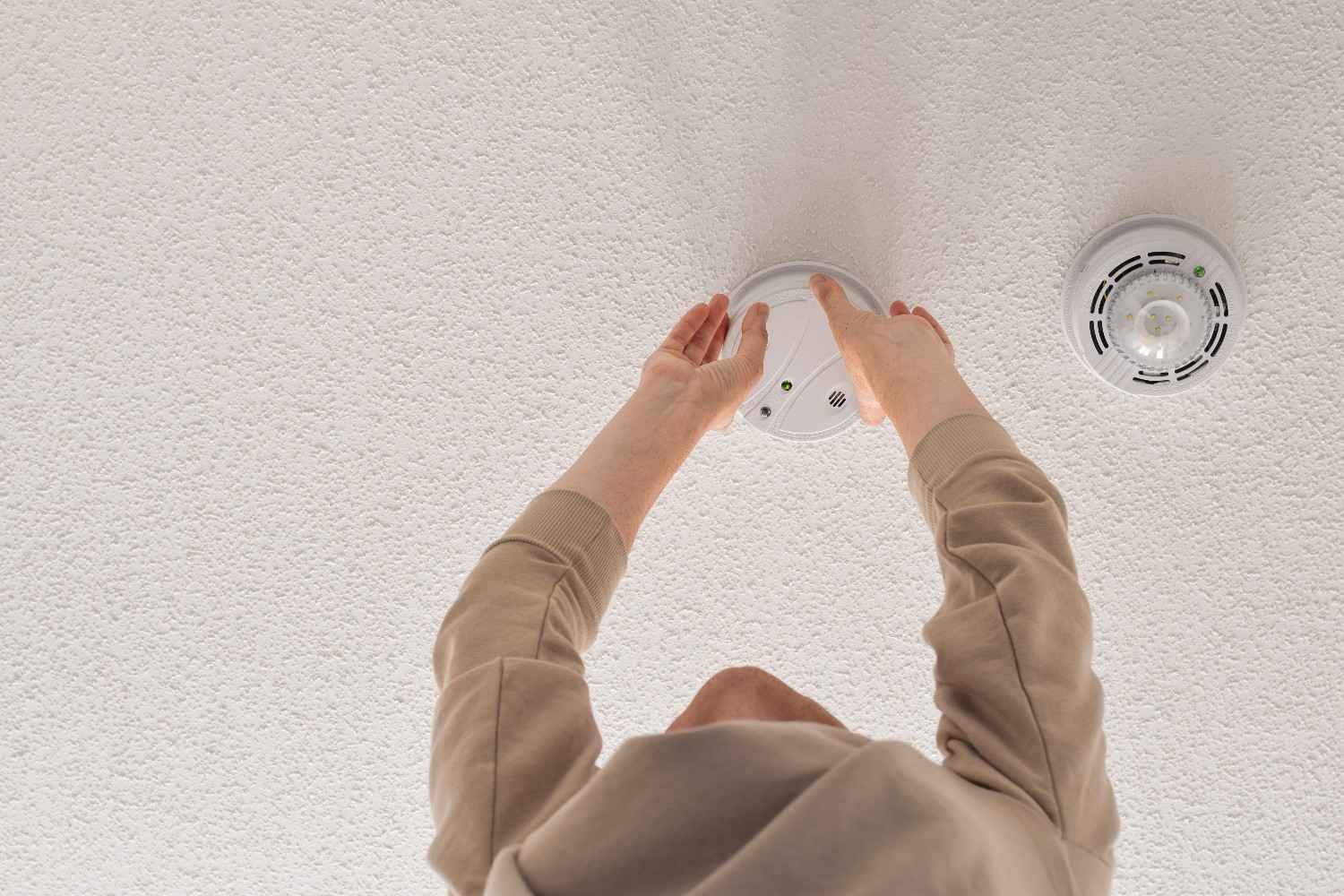
- Installation: Only a licensed electrician can install smoke alarms in your home.
- Battery-operated alarms: These are only permitted if a mains connection isn’t feasible.
For more information on fire safety in the home, you can visit the WA Department of Fire and Emergency Services (DFES) website for resources and advice on preventing home fires.
Correct Placement of Smoke Alarms in WA
To ensure early detection and protection, smoke alarms should be installed in strategic locations around your home:
- On every level of the home, including basements.
- Inside each bedroom and outside sleeping areas.
- In living spaces, such as lounges, dining rooms, and family rooms.
- Mounted centrally on the ceiling, avoiding corners and walls.
- In rooms with electrical appliances or heaters.
- In multi-storey homes, install alarms in stairways or between floors.
Where Not to Install Smoke Alarms in WA
Incorrect placement of smoke alarms can cause nuisance activations or even lead to alarms being disabled. Avoid placing alarms in these areas:
- Near cooktops or cooking appliances.
- In damp spaces like bathrooms or laundries.
- Close to heaters, fireplaces, or water heaters.
- Near strong airflow areas like vents, fans, or draughty windows/doors.
- In ceiling corners or near noisy appliances that could mask the alarm sound.
For proper placement and compliance, always consult a licensed electrician.
Landlord Responsibilities in WA
In Western Australia, landlords must ensure that their rental properties are compliant with smoke alarm laws. Failure to comply can result in penalties. Landlords should keep detailed records of installations, testing, maintenance, and replacements to prove compliance.
For updates and further information, visit the Department of Mines, Industry Regulation and Safety (DMIRS) website.
Types of Smoke Alarms in Australia
There are two main types of smoke alarms commonly used in WA homes, each offering different advantages:
Photoelectric Smoke Alarms
These alarms are highly sensitive to larger smoke particles, often produced by smouldering fires and modern furnishings. Photoelectric alarms tend to provide earlier warnings, giving you more time to respond to a fire.
Ionisation Smoke Alarms
These alarms are more sensitive to flaming, fast-moving fires but are generally less effective at detecting smouldering fires. They may be a better choice in specific areas such as kitchens or bathrooms, where the risk of false alarms is higher.
For most households, photoelectric alarms are a strong all-around choice, though a mix of both types can be used depending on the layout of your home. A licensed electrician can help determine the best solution for your needs.
Maintaining Your Smoke Alarms in Perth
Regular maintenance is crucial for ensuring that your smoke alarms continue to work reliably. Here are some essential tips:
- Replace smoke alarms every 10 years (as recommended by DFES).
- Never paint or cover smoke alarms with stickers or tape.
- Vacuum vents every six months to remove dust and debris using a soft-bristle attachment.
- Replace batteries annually or when the low-battery warning sounds.
- For mains-powered alarms, confirm that the green status light is on.
- Ensure alarms are securely fixed; avoid using double-sided tape.
Testing Your Smoke Alarms
Testing your smoke alarms is an essential part of maintaining their effectiveness:
- Test monthly by pressing the test button to ensure the alarm sounds correctly.
- If the alarm doesn’t sound or continues to beep despite fresh batteries, replace it.
- For hard-wired alarms, schedule annual professional testing and inspection.
Get Expert Smoke Alarm Installation and Maintenance with Assured Electrical
At Assured Electrical, we’re committed to providing you with top-notch electrical safety services. Whether you need to install new smoke alarms, upgrade your existing system, or ensure everything is working correctly, our licensed electricians are here to help.
We specialise in compliance with WA smoke alarm regulations and can provide tailored solutions for your home. Contact us today for a fast, reliable service, and ensure your home remains safe and secure.
Call us at: 0407 384 518 or get in touch via our website for more information.