
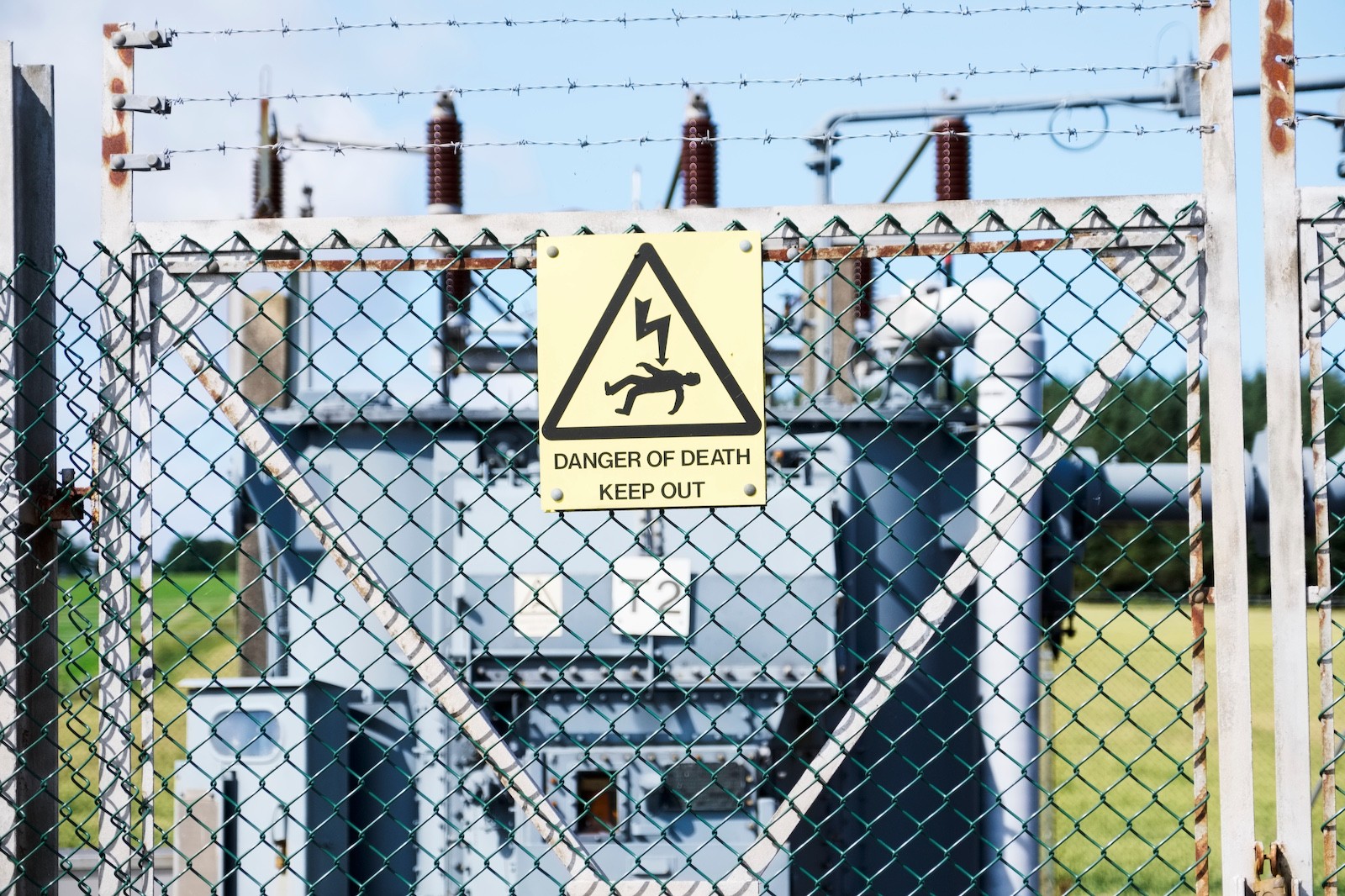
Your home is supposed to be your sanctuary—a place where you feel safe and secure. But did you know that hidden dangers, specifically electrical hazards, could be compromising your safety? Electricity is an essential part of our daily lives, powering everything from lights to appliances. However, it also poses significant risks if not handled properly.
Maintaining electrical safety at home goes beyond simply following the basic guidelines; it involves creating an environment where you and your loved ones are protected from potentially deadly electrical accidents.
In this blog, we’ll share practical steps on how to avoid electrical hazards and keep your home safe.
Understanding Electrical Hazards: A Quick Overview
Before you can take the necessary precautions, it’s important to understand how electricity works and the potential risks involved. Here’s a breakdown of key electrical components in your home:
Electrical Circuits: The Pathways of Power
Every electrical system in your home relies on circuits that serve as the pathways for electricity. These circuits power your lights, appliances, and other electrical devices. Understanding your home’s circuitry is critical. Familiarise yourself with the circuit breaker or fuse box in your home and know how to shut off the power in case of an emergency. This knowledge can make all the difference in preventing electrical accidents.
Electrical Appliances: Know Their Power Limits
Each appliance in your home consumes a certain amount of power, measured in watts or kilowatts. To avoid overloading your electrical system, ensure that the appliances you use are within the power capacity of the circuits in your home. Overloading can lead to overheating, short circuits, or even fires.
Electrical Outlets: Check for Wear and Tear
Your electrical outlets are a primary point of connection between your electrical devices and the system in your home. Regularly inspect outlets for signs of damage, such as loose sockets, exposed wires, or scorch marks. These are warning signs that should not be ignored—damaged outlets can lead to electric shocks, fires, or worse.
How to Prevent Electrical Hazards at Home
Now that we have a basic understanding of electricity and its potential risks, let’s move on to practical steps you can take to safeguard your home:
1. Schedule Regular Electrical Inspections
The best way to keep your home safe is through regular inspections. Certified electricians can spot hidden issues before they become serious hazards. Schedule annual checks to ensure that everything from your circuits to your outlets is functioning properly. If you notice frayed wires or outlets that feel hot to the touch, call an electrician immediately.
2. Ensure Proper Wiring and Outlets
Make sure that your home’s wiring is up to current codes. Any outdated or improperly installed wiring can be a serious risk. Residual Current Devices (RCDs) should be installed to protect all your power outlets and lighting circuits. RCDs help prevent electrical shocks by quickly cutting off the power supply if an imbalance is detected.
3. Use Extension Cords Correctly
Extension cords are convenient, but they should never be a permanent solution for powering multiple devices. Avoid daisy-chaining extension cords together, as this can cause overloads. Always check the condition of extension cords—damaged or exposed cords are a significant fire hazard.
4. Unplug Unused Appliances
Turn off and unplug appliances when not in use, especially those that consume a lot of power, like space heaters, microwaves, and toasters. Not only does this reduce your electricity consumption, but it also prevents unnecessary risks such as overheating or electrical fires.
5. Childproofing Your Home
If you have children, taking steps to childproof your home is essential. Install safety covers on outlets to prevent accidental shocks. Keep cords out of reach to prevent tripping accidents, and ensure that wires are secured and not lying across walkways. These small changes can help make your home much safer for little ones.
6. Water and Electricity Don’t Mix
It’s crucial to keep all electrical appliances away from water sources. Areas like kitchens and bathrooms are especially vulnerable, so make sure to install RCDs to add an extra layer of protection. RCDs can detect current leakage and shut off power before anyone gets injured.
7. Install Smoke Detectors and Have Fire Extinguishers Nearby
While not strictly electrical, smoke detectors and fire extinguishers are essential safety devices in any home. Install smoke alarms on every floor of your house and test them regularly to ensure they work. Also, keep a fire extinguisher in a convenient location and make sure everyone in your household knows how to use it in case of an emergency.
8. Maintain Your Electrical Panel
Your electrical panel (or switchboard) is the heart of your electrical system. Ensure it is easily accessible and that each circuit is clearly labelled for quick identification in case of emergencies. A well-maintained panel allows for faster response times in the event of an electrical issue and helps avoid dangerous situations.
9. Consider Professional Electrical Inspections
If your electrical system is older, consider having it inspected by a licensed electrician every few years. They can identify potential hazards that might not be visible to the untrained eye, ensuring that your home remains safe for you and your family.
Protect Your Home with Assured Electrical Services
Electrical safety is an ongoing responsibility. By understanding the basics, implementing preventative measures, and staying on top of maintenance, you can protect your home from electrical hazards.
Your home should be a place of comfort and safety, not at risk of preventable electrical issues. If you encounter any complex electrical problems, need a professional inspection, or require assistance with upgrades, don’t hesitate to contact Assured Electrical. Our team of certified electricians is dedicated to ensuring your home stays safe, efficient, and free from electrical hazards.
Call us today for expert advice and a consultation on how to improve the electrical safety of your home.
Contact Assured Electrical:
Phone: [0407 384 518]
Website: Assured Electrical