
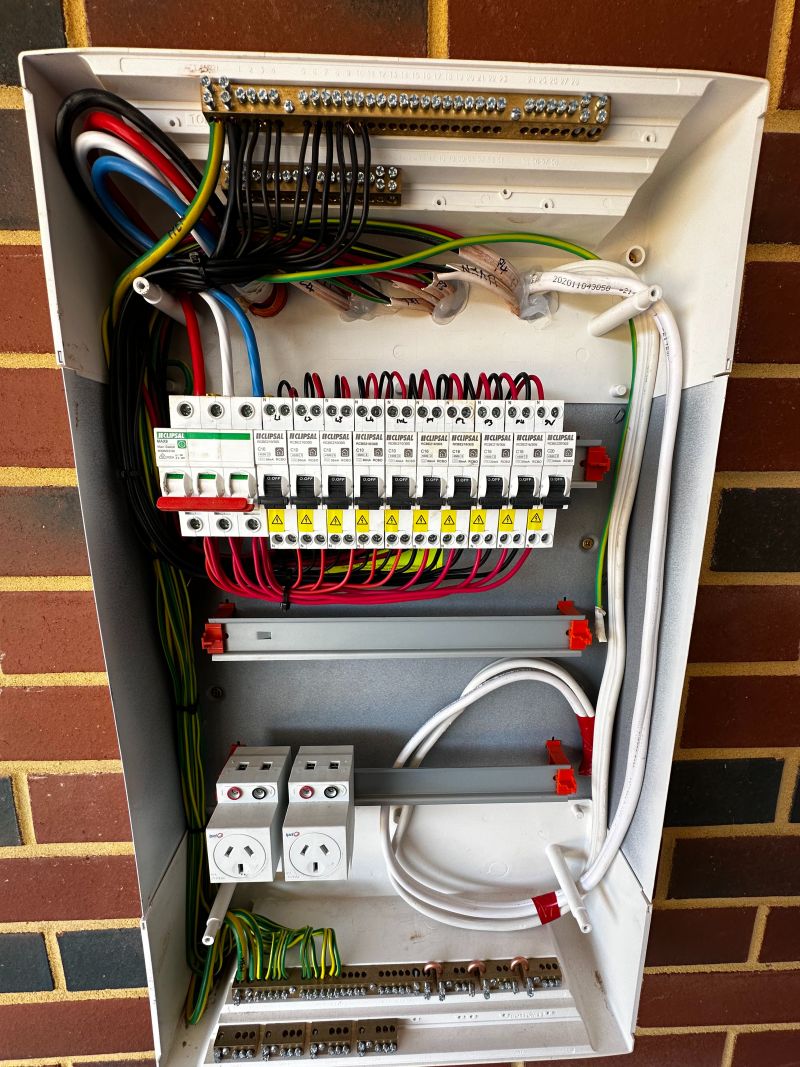
Maintaining electrical safety in your home is essential, and the circuit breaker is a key player in protecting you from electrical hazards. This vital device automatically disconnects the power when it detects an issue, such as a surge or overload, preventing potential dangers like fires. However, if your circuit breaker trips repeatedly, it’s more than just an annoyance—it’s a sign that there’s a problem that needs fixing. This article explores the typical causes of frequent circuit breaker tripping and provides solutions for getting things back on track.
Why Does Your Circuit Breaker Keep Tripping?
Several common issues could be causing your circuit breaker to trip. Understanding these problems will help you address the issue effectively.
1. Overloaded Circuits
One of the most frequent causes of a tripping circuit breaker is an overloaded circuit. This happens when too many devices are drawing power from a single circuit, causing it to exceed its capacity. You can resolve this by either redistributing the load or consulting a licensed electrician to install additional circuits to meet the electrical demand.
2. Short Circuit
A short circuit occurs when a live wire comes into contact with a neutral wire or another live wire. This causes a surge of electrical current, which triggers the circuit breaker to trip immediately. This issue can be dangerous and may lead to electrical fires if not repaired quickly. Professional help is necessary to resolve a short circuit.
3. Earth Fault
An earth fault happens when a live wire touches the ground or any grounded part of the electrical system. This can be a serious safety hazard, and it requires urgent attention to prevent electric shock or fires.
4. Faulty Appliances
Sometimes, the issue lies with a faulty appliance. If an appliance is malfunctioning, it can draw more power than it’s designed to, which can trip the breaker. Inspect your appliances to ensure they are in good working order. If a specific appliance is causing the issue, you may need to have it repaired or replaced.
5. Weather-Related Interference
Electrical issues like lightning storms or power surges from the grid can sometimes cause a breaker to trip. While this is often temporary, it’s wise to seek advice from an electrician if the problem persists after a storm or power fluctuation.
6. Old or Insufficient Wiring
In older homes, the wiring system might not be up to the task of handling the demands of modern appliances. If your home has outdated wiring, it can overheat, causing the circuit breaker to trip. An upgrade to your home’s wiring might be necessary to ensure it can handle the electrical load.
7. Worn-Out Circuit Breaker
Like any mechanical device, a circuit breaker can wear out over time. If yours is more than 15 years old, it may become overly sensitive and trip too easily, even when there’s no real overload. If your circuit breaker is aging, consider replacing it to avoid unnecessary disruptions.
8. Inrush Current
Certain appliances, such as fridges or air conditioners, require a large surge of power when they first start up. This inrush current can trip the circuit breaker even if the circuit isn’t overloaded. If this is the case, a high inrush current breaker may be needed.
9. Faulty Electrical Components
Sometimes, the issue may be with the components themselves, like outlets, wires, or the breaker. Poor-quality or damaged parts can cause faults that trip the breaker. Always use components that meet Australian standards and are in good condition to avoid this issue.
10. Power Supply Fluctuations
In rare cases, the problem may not lie within your home’s wiring at all but with external fluctuations in the power supply. Surges or drops in the grid’s electrical flow can trigger the breaker to disconnect power. If this happens frequently, it’s important to consult an electrician to determine if additional protections are necessary.
How to Prevent Circuit Breaker Tripping
To help prevent future issues, here are some practical measures you can take:
- Limit the number of appliances plugged into the same circuit, especially high-power devices.
- Inspect your appliances and wiring regularly for any signs of wear or damage.
- Upgrade your electrical system if you live in an older home or if you’ve made significant electrical upgrades recently.
- Schedule regular electrical system inspections to catch potential issues early.
The Risks of Ignoring a Faulty Circuit Breaker
It may seem tempting to put off dealing with a frequently tripping circuit breaker, but this can lead to serious issues down the line. Here’s why:
Increased Energy Bills
A malfunctioning circuit breaker can cause inefficient energy use, resulting in higher electricity bills. The constant tripping indicates that your system is working harder than necessary, consuming more power.
Expensive Repairs
If you leave the problem unresolved, the issue may worsen, leading to more expensive repairs. In some cases, you may need to re-wire your home or replace the electrical panel, both of which can be costly undertakings.
Damage to Your Appliances
Frequent power interruptions can harm your appliances, causing them to wear out more quickly. This not only reduces their efficiency but may require you to replace them sooner than expected, adding to your costs.
Safety Hazards of a Faulty Circuit Breaker
Neglecting a tripping circuit breaker could lead to dangerous situations:
- Fire Hazard: If the breaker fails to trip during an overload, the wires can overheat and potentially cause a fire.
- Electric Shock Risk: A faulty circuit breaker may not protect you from electrical shocks, especially if the issue involves an earth fault or short circuit.
- Regulatory Compliance Issues: Western Australia’s electrical regulations require certain standards to be met. Failing to comply with these laws could result in fines and safety violations.
How Assured Electrical Can Help
If your circuit breaker keeps tripping, it’s crucial to address the issue quickly to avoid potential hazards. While some issues can be resolved with simple adjustments, others require the expertise of a professional electrician. At Assured Electrical, our team is fully equipped to diagnose and fix the cause of your circuit breaker issues efficiently.
From replacing your circuit breaker to upgrading your electrical system, we offer reliable solutions to ensure your home’s electrical system is safe and functioning correctly. Contact Assured Electrical today for a professional inspection or to learn more about our electrical services.