
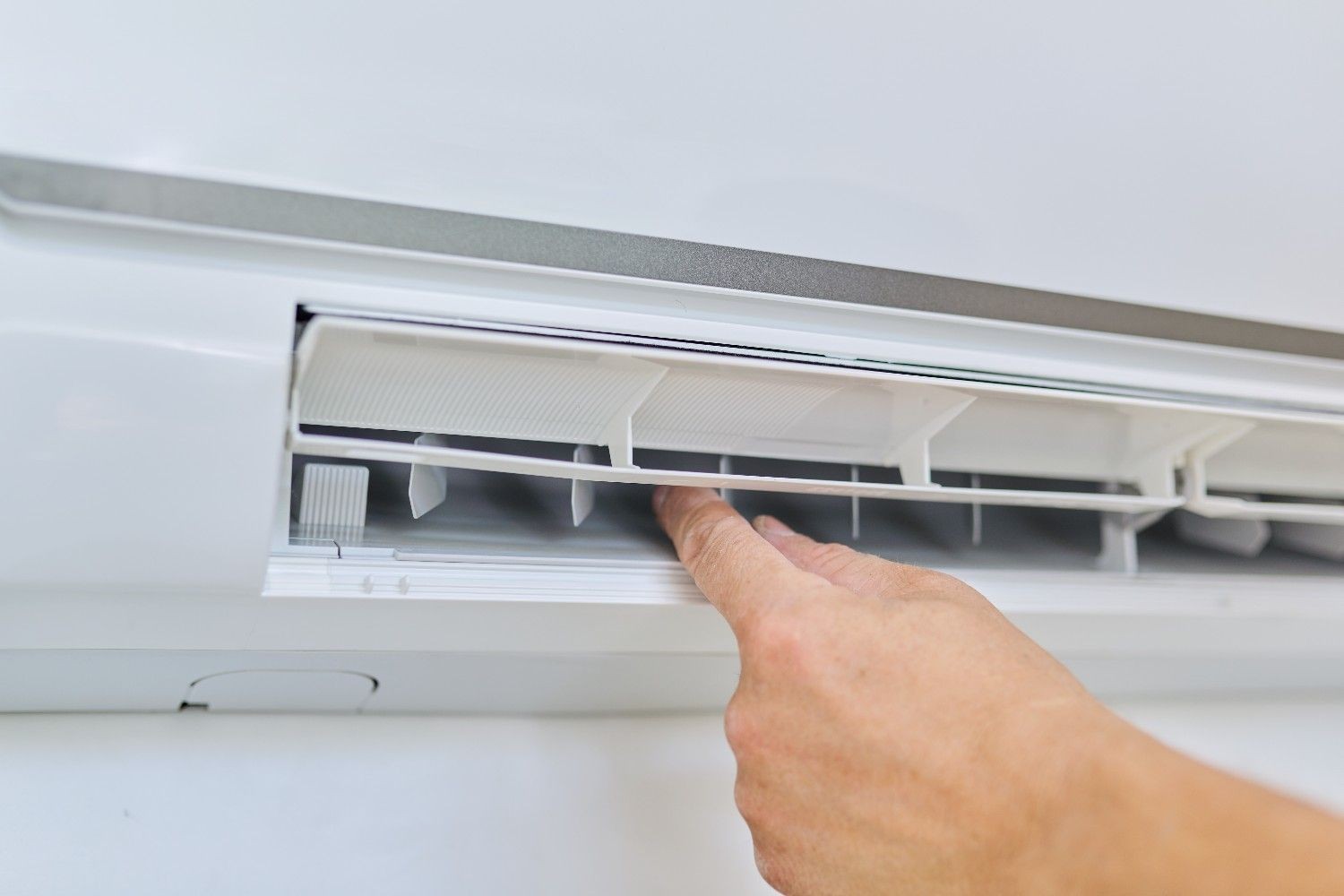
Many people mistakenly believe that their air conditioner doesn’t require regular cleaning, but this couldn’t be further from the truth. Dirty air conditioners can not only reduce the efficiency of the unit but also pose serious health risks.
Air conditioning units work by pulling air from the room, which inevitably contains dust, dirt, and other debris. As air circulates through the system, the dust gets trapped in the air filter. Over time, this accumulation causes the filter to become clogged, which can lead to various issues and health concerns.
How a Dirty Air Conditioner Affects Your System and Health
Reduced Performance and Efficiency
A clogged air filter doesn’t just affect the air quality—it can also reduce the performance of your air conditioning unit. As the filter gets blocked with dust and debris, your air conditioner has to work harder to cool or heat your home. This can cause the unit to become noisy, leak water, or even freeze internally, which could result in costly repairs.
Health Risks of a Dirty Air Conditioner
When your air conditioner isn’t clean, it can circulate harmful particles throughout your home, leading to a variety of health issues:
- Allergies and Asthma: If you suffer from asthma or allergies, dirty air conditioners can make your symptoms worse. Airborne allergens like dust, pollen, pet dander, and plant spores can easily become trapped in the air conditioner and released back into your living space. Keeping your unit clean helps minimise these triggers.
- Mould, Bacteria, and Viruses: Over time, mould can build up inside your air conditioner, particularly in areas with moisture. The mould spores can be released into the air, causing serious health concerns like respiratory infections, throat irritation, and allergic reactions. Moreover, air conditioners can harbour dangerous bacteria such as Legionella, the bacteria responsible for Legionnaires’ Disease, a severe respiratory illness.
- Pest Infestations: A neglected air conditioning unit can become a perfect breeding ground for vermin such as rodents and insects. These pests can leave behind droppings and dander, which can enter your air system. Not only is this unhygienic, but rodents can carry pathogens, making it easier to contract illnesses even without direct contact with the pests.
- Unpleasant Odours: The presence of pests or mould in your air conditioner can also result in unpleasant smells. If pests die inside the system, their decaying bodies can create a foul odor that is circulated throughout your home.
Additional Issues Linked to Dirty Air Conditioners
Beyond mould, pests, and allergens, dirty air conditioners can also cause:
- Skin Conditions and Fatigue: Poor air quality from dirty air conditioning systems can exacerbate skin conditions like eczema and cause rashes. Furthermore, the stale air can leave you feeling fatigued and drowsy, which is the last thing you want, especially in hot weather.
How Often Should You Clean Your Air Conditioner?
Experts recommend professional cleaning every 6 months to ensure your air conditioning system is in top condition. Remember, air conditioners aren’t just used for cooling during the summer—they also keep you warm during the winter months. Simply changing the air filter isn’t enough; a deep clean of the system is necessary for optimal indoor air quality.
Keep Your Air Conditioner in Top Condition with Assured Electrical
To ensure the health and comfort of your family, it’s crucial to have your air conditioning system regularly cleaned. If it’s been a while since you’ve had your system serviced, or you’re noticing signs of poor air quality, contact Assured Electrical for a professional clean. We’ll help improve your indoor air quality and ensure your air conditioner is functioning at its best.